

The Health Benefits of Cannabis
The Health Benefits of Cannabis: What Science Reveals in 2025
In recent years, cannabis has transitioned from a stigmatized substance to a widely discussed option for therapeutic use. With ongoing legalization efforts and a growing body of research, millions are turning to it for relief from various ailments. A 2019 survey estimated that 64 million Americans use cannabis for health issues like stress, depression, and pain. As of 2025, studies continue to explore its potential, highlighting benefits while also noting areas where evidence is mixed or risks exist. This post dives into the key health benefits backed by recent scientific evidence, but remember: this isn't medical advice—always consult a healthcare professional before trying cannabis.
Pain Management: A Promising Alternative to Opioids
One of the most compelling areas of research is cannabis's role in pain relief, particularly for chronic conditions. Recent European trials tested a full-spectrum cannabis oil (containing THC, CBD, and other compounds) on low back pain, the leading cause of global disability. In a placebo-controlled study, participants saw an average 30% reduction in pain after 12 weeks, compared to 20% with placebo. Even more striking, a second trial found this cannabis formulation outperformed opioids in pain relief and improved sleep over six months, with fewer side effects like constipation and no signs of dependency.
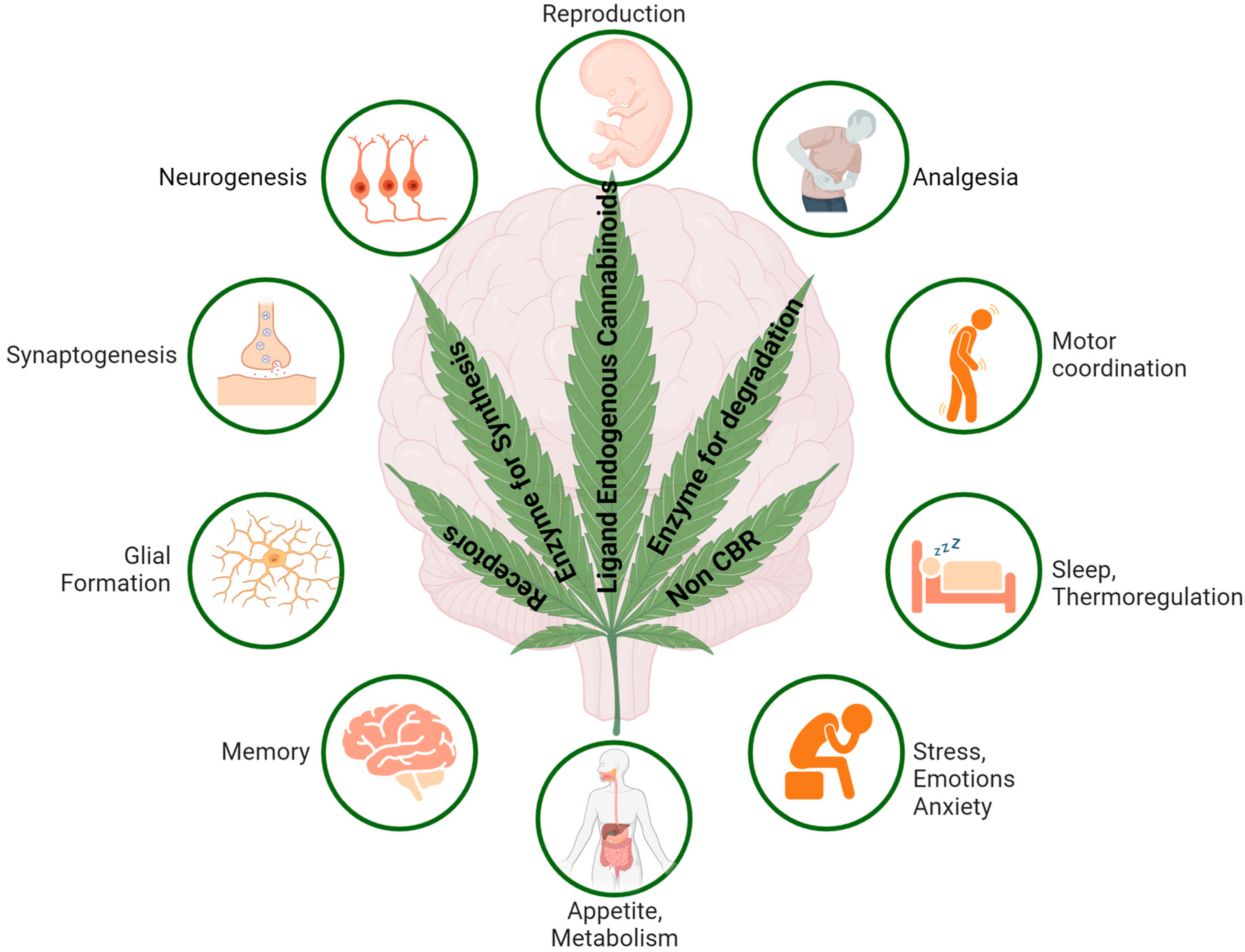
A Yale study from early 2025 examined non-psychoactive cannabinoids like CBD, CBG, and CBN. These compounds inhibit the Nav1.8 protein in sensory neurons, reducing pain signals to the brain. CBG showed the strongest effect, suggesting it could be key in developing safer pain therapies for conditions like neuropathy, arthritis, and inflammation. Overall, cannabinoids are emerging as a viable opioid alternative, potentially lowering addiction risks.

Mental Health Support: Easing Anxiety and Improving Sleep
Cannabis, especially CBD, has shown promise in mental health. CBD acts as an anxiety-reducer by activating 5HT1A receptors and modulating GPR3, GPR6, and GPR12, which influence mood. It's also used as a sleep aid, though mechanisms are less detailed in current research. For depression and stress, anecdotal reports are common, but scientific backing is growing, with some studies linking it to reduced inflammation that may underlie these issues.
However, balance is key—heavy cannabis use has been linked to reduced brain activity in working memory tasks, per a large 2025 study. This underscores the need for moderation.
Neurological Benefits: From Seizures to Neuroprotection
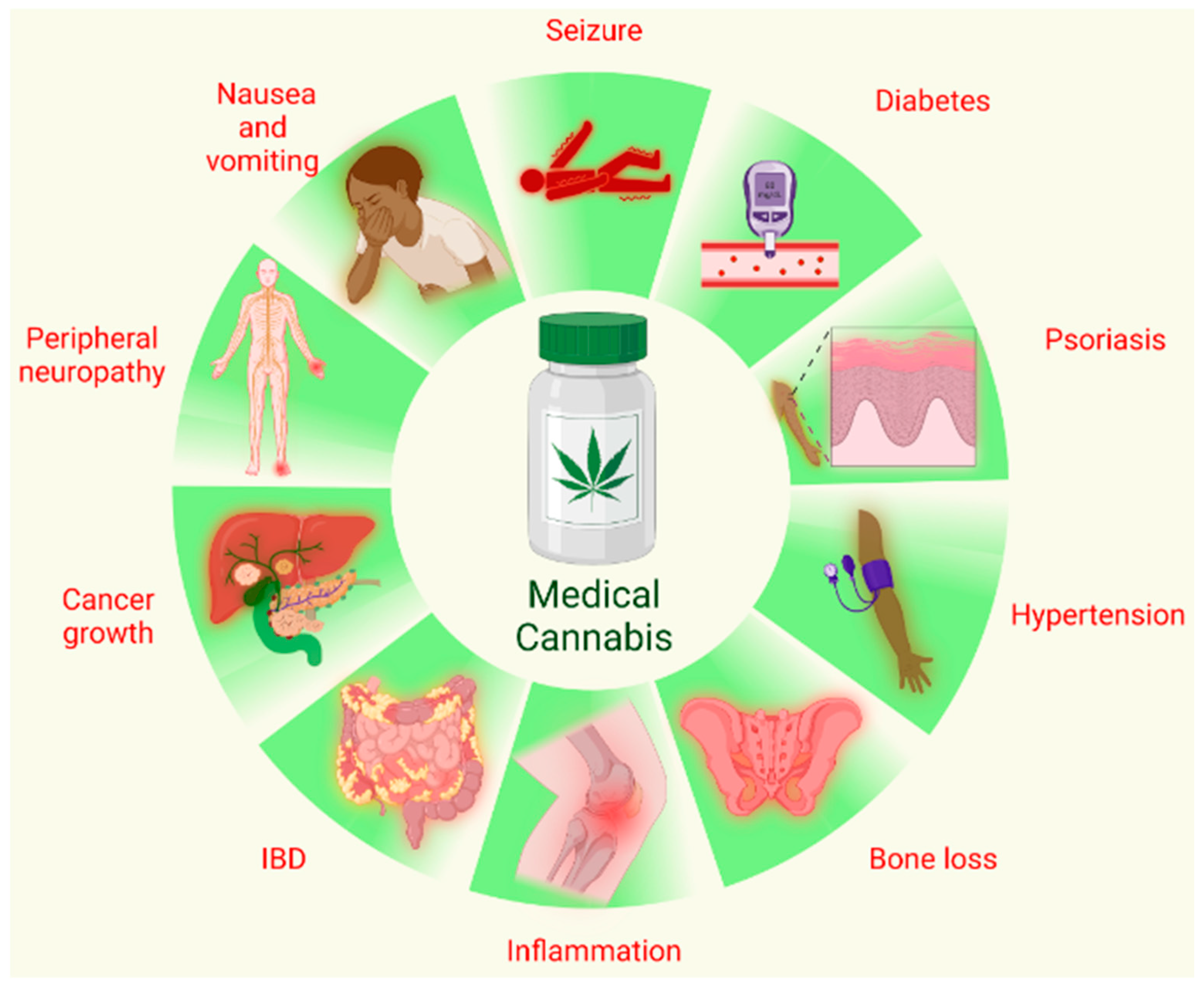
For neurological disorders, cannabis shines. CBD is FDA-approved for treating rare epilepsy forms like Lennox-Gastaut and Dravet syndromes, antagonizing GPR55 and modulating ion channels to reduce seizures. Preclinical models show CBD and THC lowering seizure intensity and neuroinflammation.
In multiple sclerosis (MS), cannabis helps manage symptoms, and it's recognized for epilepsy and chronic pain in broader reviews. CBD also offers neuroprotection in Alzheimer's models, enhancing immune responses and autophagy. For Parkinson's, it reduces anxiety and tremors in trials.
Cancer-Related Symptoms: Combating Nausea and Inflammation
Cannabis aids in managing cancer side effects. It reduces chemotherapy-induced nausea and vomiting through 5HT3A antagonism and indirect 5HT1A agonism. A meta-analysis highlights its anti-inflammatory potential and symptom relief like pain and nausea in oncology. Some studies even suggest antitumor effects via caspase activation and oxidative stress in glioma cells.
Anti-Inflammatory and Antioxidative Properties
Beyond specifics, cannabis's anti-inflammatory effects are broad, decreasing cytokines like TNF-α and NF-κB, and activating PPARγ. It also combats oxidative stress by inhibiting reactive oxygen species. These could benefit conditions like IBD, psoriasis, and hypertension, though more human trials are needed.
Wrapping Up: Proceed with Caution and Curiosity
While 2025 research paints an optimistic picture— from pain relief outperforming opioids to seizure control and beyond—the evidence for some benefits remains weak or conflicting. Risks, including cognitive impacts from heavy use, can't be ignored. As the landscape evolves, stay informed and prioritize professional guidance. Cannabis isn't a cure-all, but for many, it's a valuable tool in the wellness toolkit.